All Categories
Featured
Navigating the 2026 Approval Process for High Risks

Analyzing Regular and Specialized Risk Coverage Options

Life Insurance Planning for Special Needs US Trusts
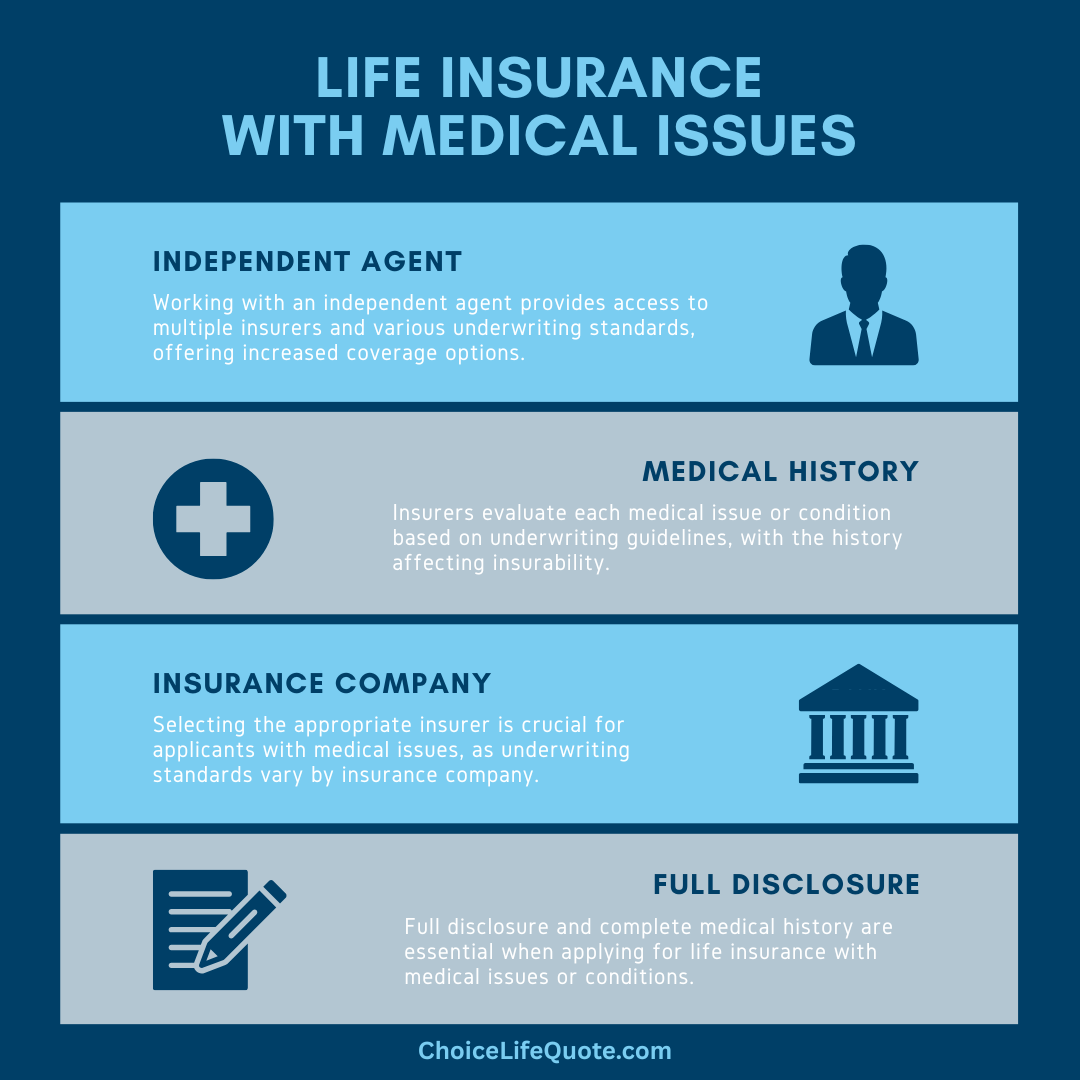
Everyone's requirements and health profile are different. That's why it's important to deal with somebody who: Know which carriers concentrate on diabetic underwriting Understands each policy type inside and out Can tailor a strategy that fulfills your goals and your budget plan for tailored assistance and a totally free quote. Find the best policy for you and make life insurance simple again. Life insurance coverage can protect your.
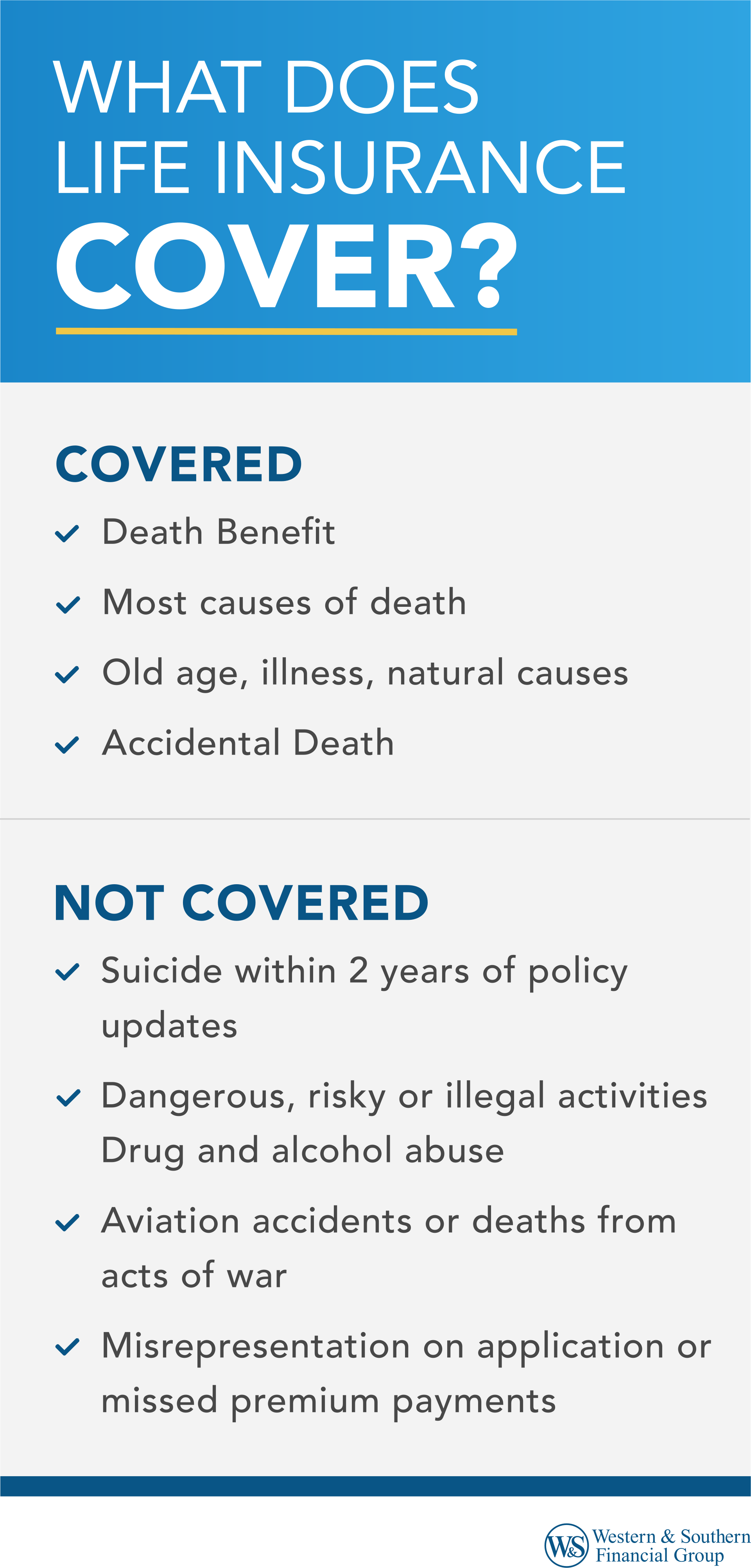
Life Insurance for HIV Positive Applicantsloved ones if something occurs to you. Ideally, great life insurance features cost effective premiums and pays a generous death benefit to your survivors, so your death doesn't lead to monetary catastrophe. Not everybody can quickly get approved for a policy at premiums they can manage due to the fact that of how life insurance works. However fortunately is, diabetes does not necessarily imply you won't be able to purchase life insurance coverage protection. A lot depends upon the kind of diabetes you have and whether your condition is well-controlled by medication. If you're diabetic, here's what you require to understand about your life insurance coverage choices, in addition to how getting approved for life insurance coverage may be different for you. To figure out if they will offer you protection and what they'll charge you for it, you'll go through a procedure known as underwriting. An underwriter is someone who evaluates threat levels for an insurance provider. During the underwriting process, insurance providers might ask you to undergo a medical examination. And they'll likewise ask questions about your present practices and previous health status. If insurers find you have a pre-existing health condition, specifically a chronic one such as diabetes, they'll see you as a higher-risk individual to insure. Diabetes has been connected to adverse health outcomes, including cardiovascular disease, kidney disease, nerve damage, infection, vision loss, and other severe problems. Because insurance providers think diabetes suggests there's a high danger you'll pass away while their policy covers you, they will typically charge you greater premiums or not insure you at all.
Since Type 2 diabetes is thought about more manageable, insurance companies may be more ready to offer cost effective coverage to Type 2 diabetics than Type 1 diabetics. Those diagnosed at an older age are also more likely to be eligible for insurance because long-term diabetics diagnosed when they are young face a greater risk of developing problems.

Latest Posts
Compassionate Policy Guidelines for HIV Positive Applicants
Navigating the 2026 Approval Process for High Risks

Finding the Right Dedicated High Risk Underwriting Advisor