All Categories
Featured
Navigating the 2026 Approval Process for High Risks

Analyzing Regular and Specialized Risk Coverage Options
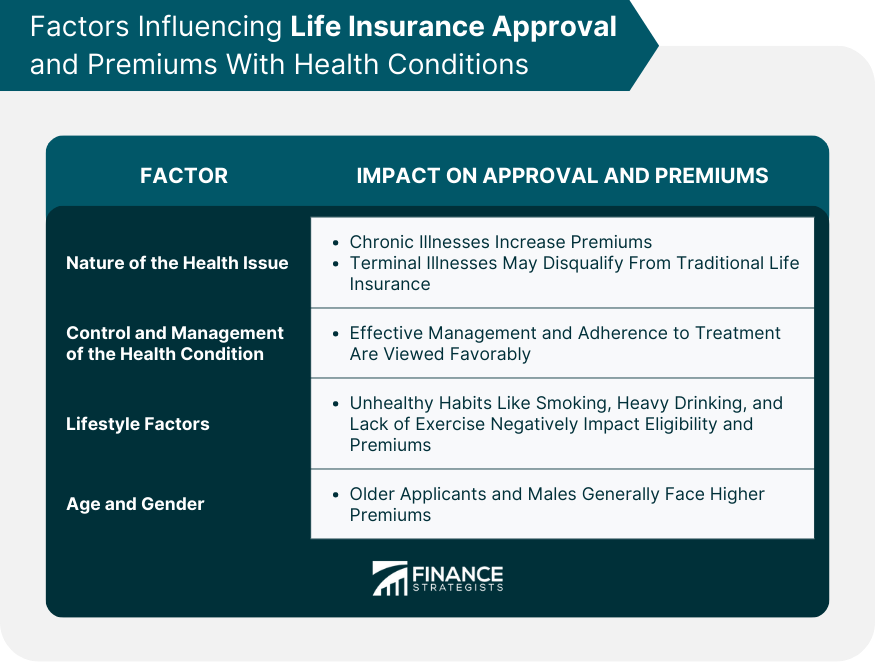
Securing Affordable Life Policies for Diabetics
Table of Contents
You need to consult your own attorney, who can evaluate your specific scenario and represent variations in state law and local practices. Laws and guidelines are continuously changing, so the longer it has been given that a post was written, the higher the possibility that the article might be out of date.
To locate a member in your state, go to. The above post may be reprinted only if it appears unmodified, consisting of both the author description above the title and the "About this Post" paragraph immediately following the post, accompanied by the following declaration: "Reprinted with authorization of the Unique Needs Alliance." The post might not be replicated online.
Impaired Risk InsuranceA special requirements trust likewise described as an additional needs trust or SNT is a type of trust that's established for individuals with specials needs or gain access to and practical needs. It helps offer monetary assistance without disqualifying people for federal government advantages, such as Medicaid or Supplemental Security Earnings (SSI).1 Needs-based government benefits have particular earnings and possession limitations.
That implies if you have a kid or enjoyed one with a special needs, supporting them financially can be difficult to do without affecting their ability to receive federal government benefits. By putting funds and other assets into a trust, you can help provide aid without those funds counting towards their individual income.
Modern Underwriting Options for HIV Positive Individuals
The funds in a special requirements trust can be utilized for anything the beneficiary chooses. They're commonly utilized to pay for medical expenses, home care, transport, and real estate costs. Though government advantages might contribute to paying these expenditures, they typically do not cover the total. Having an SNT can assist them fill out those gaps.
While third-party SNTs are the most typical, there are some instances where a first-party trust makes more sense. A third-party SNT is most comparable to a standard trust and is moneyed by someone who isn't the recipient. This kind of trust can be revocable or irrevocable, and it can be established as a stand-alone or testamentary trust.
A testamentary trust is one that's contained within a and isn't moneyed up until the grantor's death. A first-party SNT is one that's moneyed by the recipient. The 2016 21st Century Cures Act states that, if a person is mentally able, they can set up their own unique needs trust account to protect themselves from losing federal government assistance.
First-party SNTs require an extra step, called a Medicaid payment arrangement. This arrangement stipulates that, after the beneficiary passes away, any staying properties in the trust will be utilized to repay Medicaid before being dispersed to contingent recipients.3 There's also the chance to take part in what's called a pooled trust.
Pooled special requirements trusts collect funds from numerous families, in addition to other donors and community members, and use that cash to serve each family. They call private members as different beneficiaries within the pooled trust, providing each their own account. A trustee picked by the not-for-profit organization gains control of the fund and has the ability to act upon behalf of each recipient.
Providing Long-Term Stability for Vulnerable Beneficiaries
Before you begin, it's crucial to consider your enjoyed one and their desires and needs. You'll need to assess their present income, what costs and costs they'll require aid with, and how frequently they'll need to receive cash. Once you've determined your enjoyed one's requirements, you can get going on producing the special needs trust account.
If you're taking part in a pooled trust, your trustee will likely be the not-for-profit company in charge of the account. While it's possible to set up an unique requirements trust on your own, it's useful to consult with an.
You can money your trust with cash, personal items, genuine estate, investments, or anything else as you see fit. It's possible to create an unique needs trust without a legal representative, but a lawyer can assist ensure your trust follows your state's standards.
It's crucial to think about whether there's any advantage to creating one for your or your liked one's particular circumstances. Usually, if your liked one gets approved for or counts on government help, like Medicaid or SSI, creating an unique needs trust might be beneficial.

Latest Posts
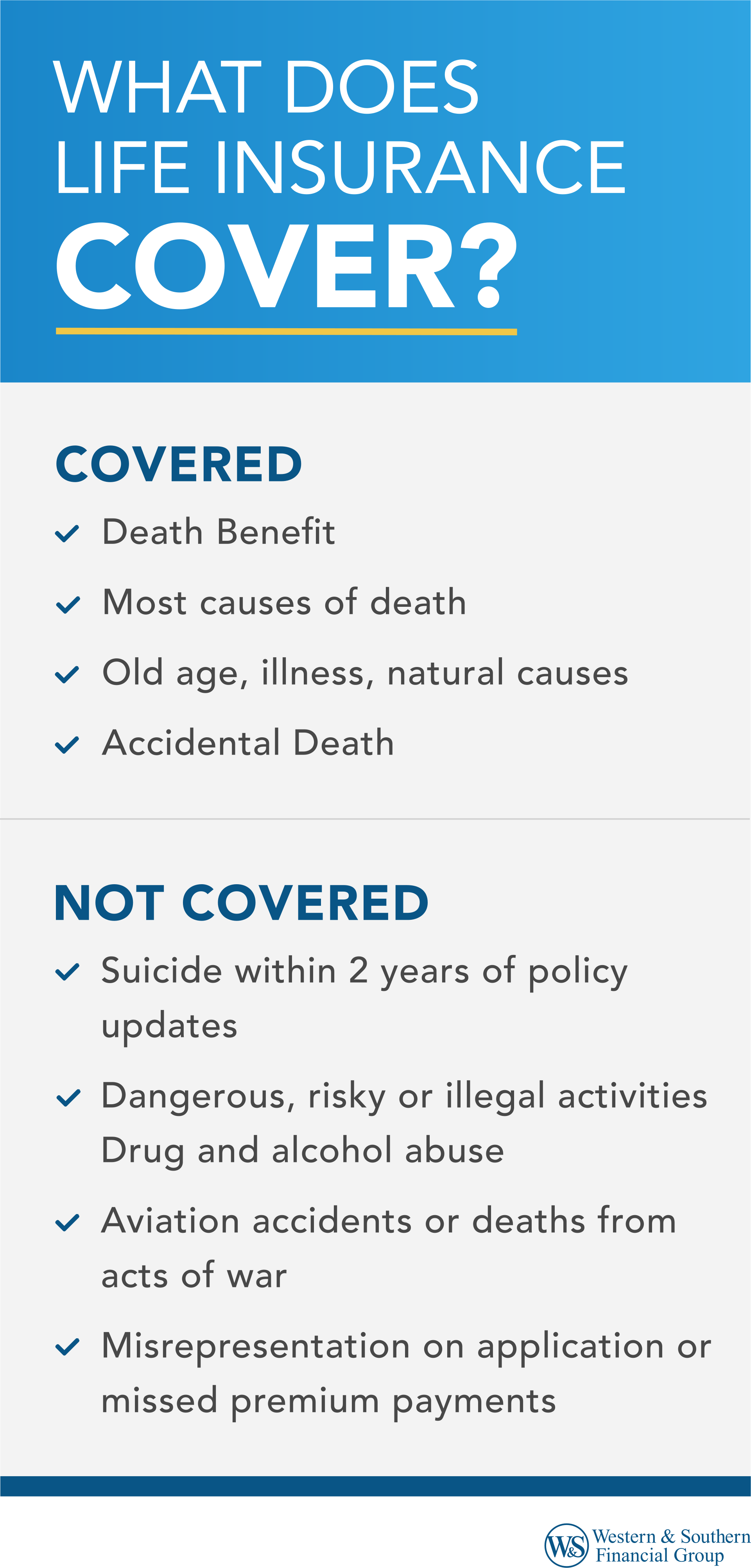
Compassionate Policy Guidelines for HIV Positive Applicants
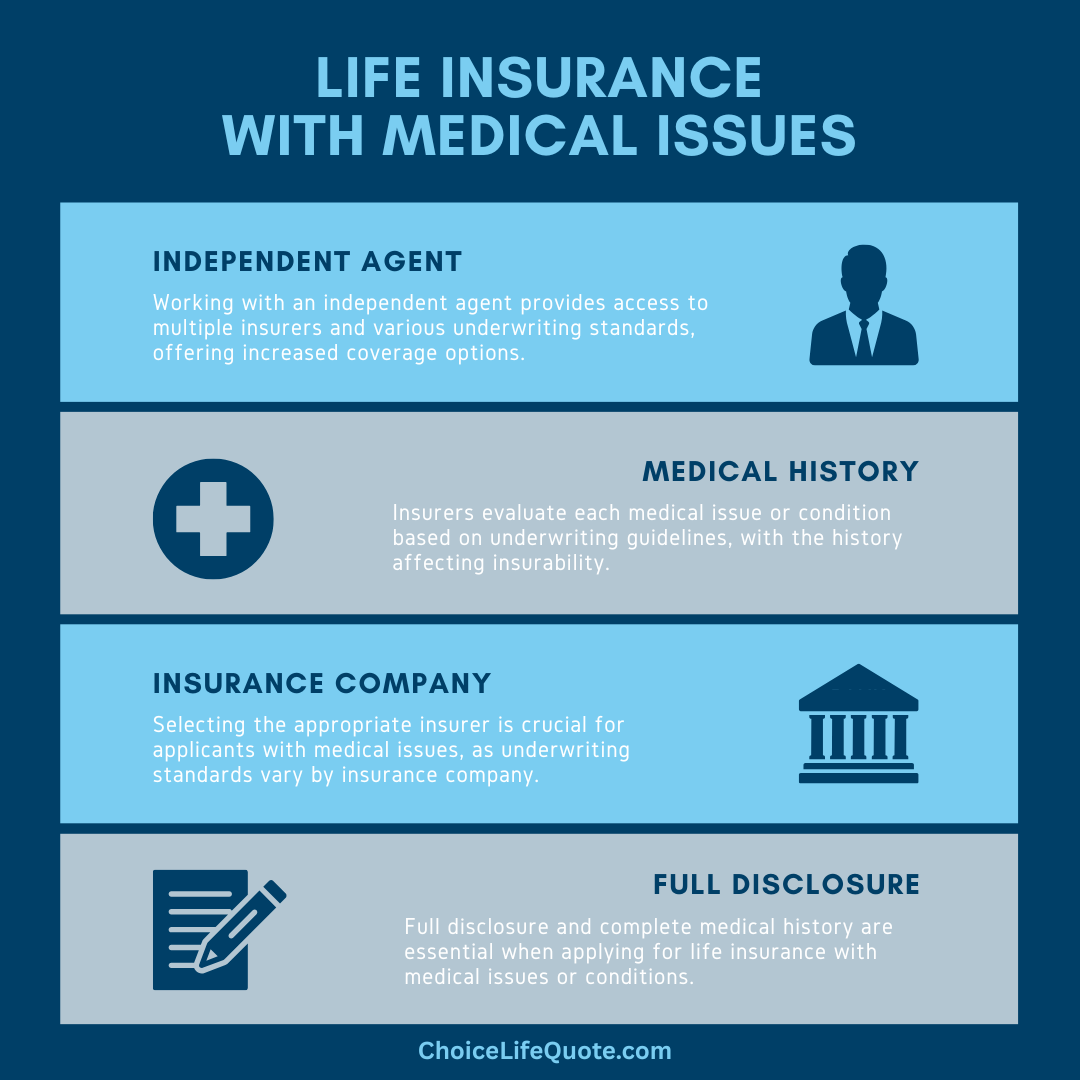
Navigating the 2026 Approval Process for High Risks

Finding the Right Dedicated High Risk Underwriting Advisor